What We Do
We build investigative journalism in the SADC region of Southern Africa in the service of a free, capable media and open, accountable democracy.
We raise and de-risk philanthropic funding for member investigative journalism centres; we build organisational capacity at member centres; and we build investigative capacity among journalists at member centres and beyond.
We currently have member centres in Zambia, Malawi, Namibia, Lesotho, eSwatini and South Africa.
They are the leading independent, non-profit investigative newsrooms in each of their countries. Some may be small, but collectively they punch well above their weight.
Why We Do It
Though investigative journalists in the SADC region may face substantial challenges individually, collectively they hold huge potential to change their societies for the better. Investigative journalists and journalism centres are a prospect worth networking and nurturing, to increase their impact, to multiply their force.
Investigative journalists and journalism centres are a prospect worth networking and nurturing, to increase their impact, to multiply their force. Investigative journalism is key to democratic accountability. It exposes wrongdoing, enabling people to hold power to account. The media has been debilitated by the digital transition. As much as the transition has brought new and exciting means to serve the public, the new economy it birthed has been monopolised by the platform giants, leaving those who produce content scrambling for the crumbs. Because discovering the truth takes more time and money than reporting the obvious, investigative journalism often stands at the back of the queue when resources are allocated, and first in line when retrenchments loom.
How We Do It
The IJ Hub was founded in 2019 to meet the challenge head-on of supporting and building independent investigative journalism in the SADC region.
Our solution is holistic and encompasses the following:

Raising and de-risking philanthropic funding for investigative journalism
We present a de-risked opportunity for philanthropic funders to support independent investigative journalism in the SADC region. Those who prefer not to support centres directly donate to our funding pool, which we disburse to member centres based on their relative needs and accountability profiles.
In this way, funders contribute to an established network impactfully covering much of the region; a collective growing in capacity and reach.

Building the organisational and administrative capacity of organisations practicing investigative journalism
Making resources available to member centres is not enough. A centre’s editorial performance is optimal when its organisational base is solid. And increased resource flows demand heightened accountability.
We advise and assist member centres with matters as diverse as corporate registration, compliance with non-profit requirements, accounting, auditing, funding applications, digital security and websites.

Building the editorial capacity of organisations and journalists practising investigative journalism
We network and advise member centres on editorial matters. Where they feel they need it, we help them get their stories ready for publication.
We sponsor qualifying journalists for three-month fellowships at investigative newsrooms.
And we arrange workshops; anything from investigations 101 to following the money, the latest tools and techniques, and digital security.
Our People
The buck stops with three to five non-executive directors elected by member centres, and up to two ex-office executive directors.
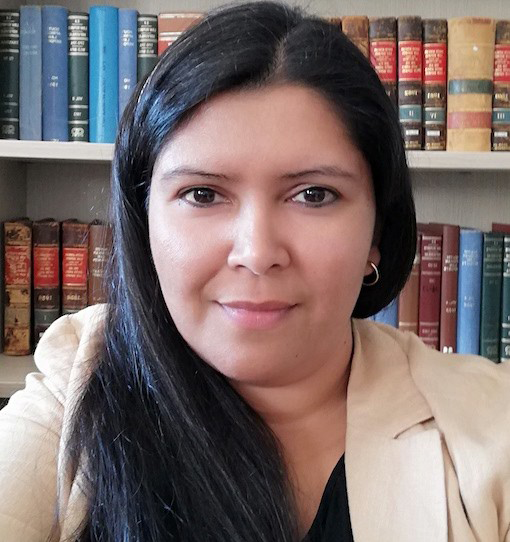
Carina Pillay
Executive directorCarina Pillay
Executive Director and Managing Partner - OrganisationalCarina Pillay is a non-profit leader with 18+ years’ experience in organisational development, governance, and strategic management. She led SAFLII as Executive Director for 12 years, driving growth and sector impact. Now at IJ Hub, she focuses on operations, partnerships, and sustainability, holding an MBA from Stellenbosch University.
Kuhle Mavuso
Non-executive directorKuhle Mavuso
Non-executive director (since 2025)Kuhle is a Senior Associate in the Dispute Resolution practice at Webber Wentzel, Johannesburg. With 7+ years’ experience, she specialises in Defamation Law and Commercial Litigation, making her a highly skilled media lawyer within one of southern Africa’s foremost media law practices.
Lionel Faull
Board chairpersonLionel Faull
Board chairperson (since 2023)Lionel is a researcher, communicator, and trainer with over a decade of experience in energy, resources, and public sectors. He specializes in synthesizing complex information and forensic problem-solving, applying a “follow the money” approach to deliver clear, impactful public-interest storytelling.
Nhongerai Nemaramba
Non-executive directorNhongerai Nemaramba
Non-executive director (since 2025)Nhongerai is a chartered accountant with two decades of experience across development organisations, international NGOs, private and public corporations, and Ernst & Young. His financial management experience spans roles from Finance Manager to Head of Finance.
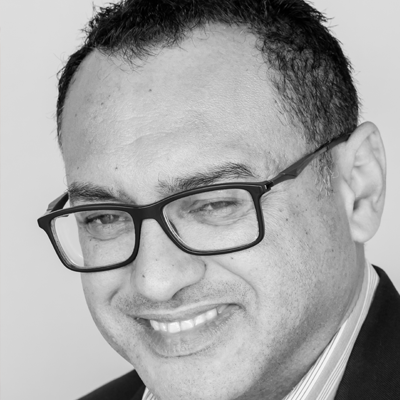
Stephen Langtry
Non-executive directorStephen Langtry
Non-executive director (since 2025)Stephen has 20+ years of leadership experience in the public sector and higher education, including a decade managing the office of the Chief Electoral Officer at South Africa’s Electoral Commission (IEC). He currently coordinates the BA programme and lectures Media Studies at Cornerstone Institute, Cape Town.
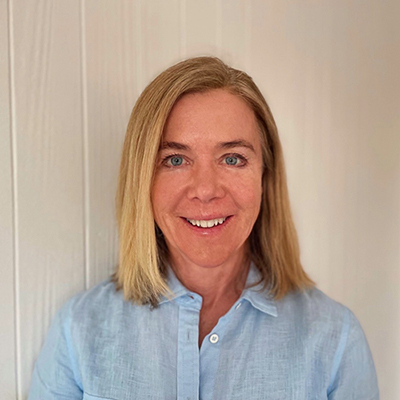
Troye Lund
Executive directorTroye Lund
Executive Director and Managing Partner: Editorial (since 2022)Troye has reported on South Africa’s political economy since 1994, covering democratic transitions, the TRC, and constitutional drafting. She has tracked parliamentary policy, worked in radio, managed Fairlady magazine, and written for Financial Mail and Business Day. She became IJ Hub’s Managing Partner: Editorial in 2022.